


Varanasi Travel Guide: History, Things to Do & Best Time to Visit
Introduction: Why Varanasi Should Be on Your India Bucket List
Nestled on the banks of the sacred Ganges, Varanasi—also known as Kashi or Banaras—is one of the world’s oldest continuously inhabited cities. Spiritual, vibrant, chaotic, and deeply reflective all at once, Varanasi offers an experience unlike any other.
If you’re wondering what to see, when to go, and how to travel in Varanasi like a local, this travel guide covers everything: sunrise boat ride Varanasi, evening Ganga Aarti, temples of Kashi, best time to visit Varanasi, Varanasi food guide, and more.
Best Time to Visit Varanasi: Weather, Crowds & Festivals
Before you plan your trip, choosing the right period can make all the difference.
-
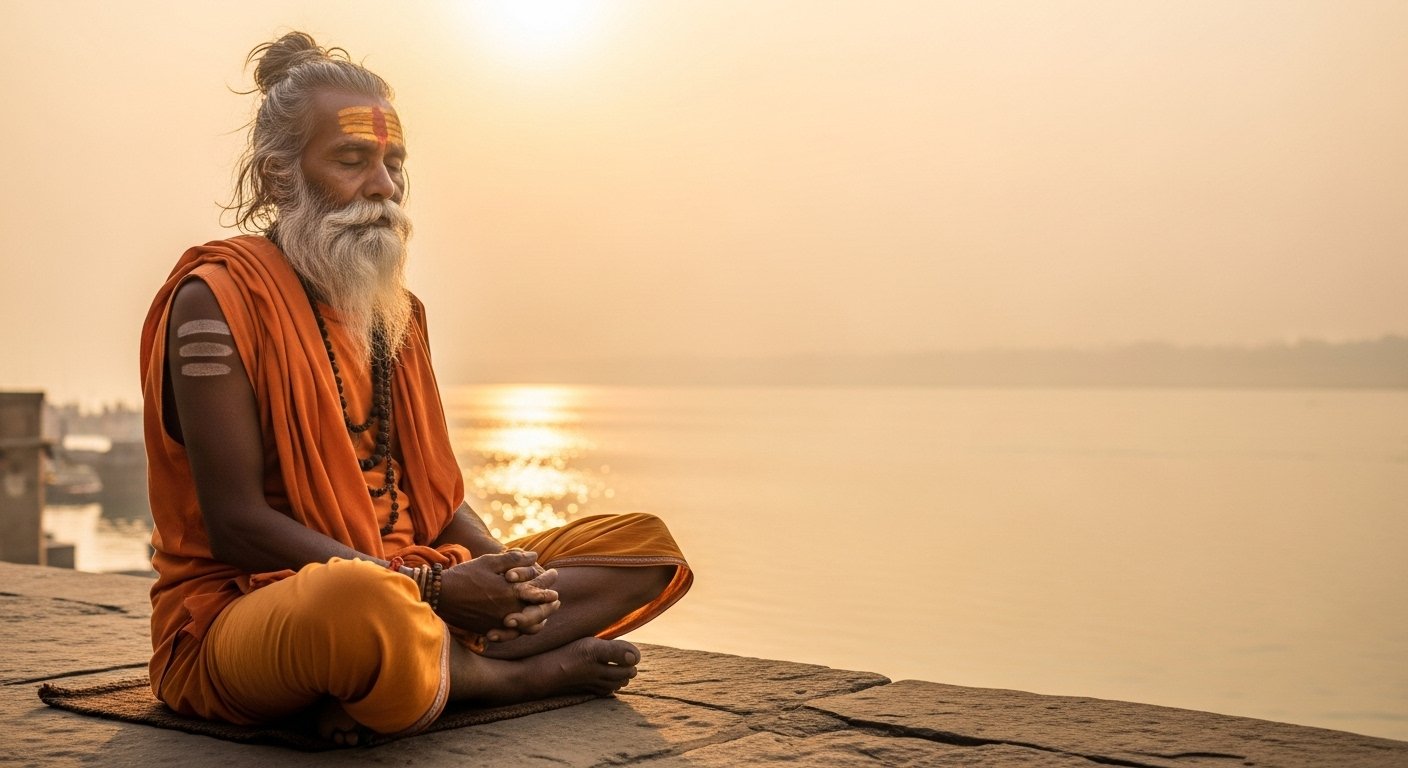
October to March are generally considered the best months. Cool weather, clearer skies, minimal haze. Perfect for sunrise sunrise boat rides and walks along the ghats.
-
April to June gets hot; if visiting then, try to schedule early morning and evening activities.
-
Monsoon (July-September): Heavy rain can flood lower ghats; boat rides may be affected.
-
Festival times like Diwali, Dev Deepawali, Makar Sankranti add a magical feel but come with big crowds and higher prices.
Top Things to Do in Varanasi: Must-See, Must-Do
Here are the highlights—blend spirituality, culture, food & immersive experiences.
1. Sunrise Boat Ride on the Ganges
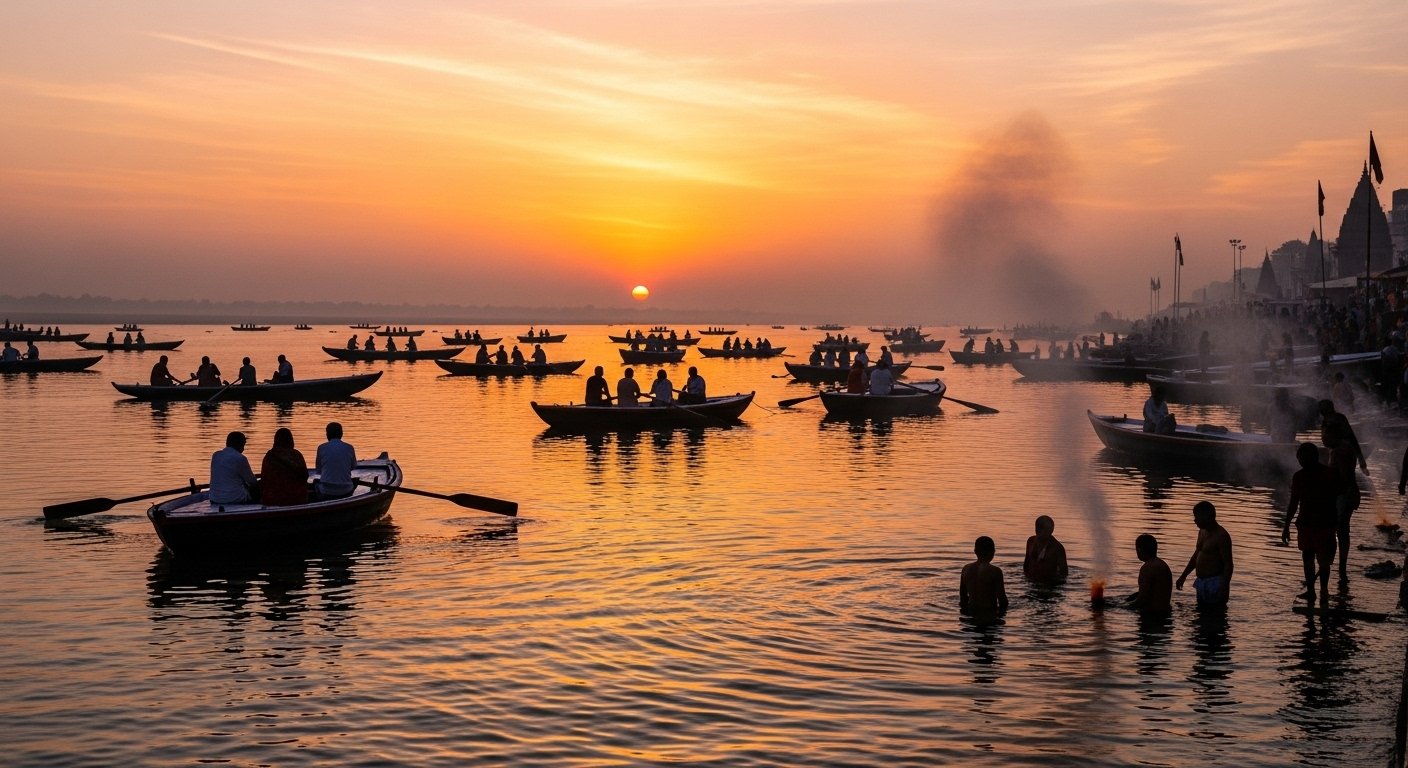
One of the top experiences in Varanasi is a sunrise boat ride along the Ganga. For many visitors, this is the moment when the city truly reveals itself.
-
What to expect: Starting from Assi Ghat or Dashashwamedh Ghat, you float past dozens of ghats—each with people bathing, priests performing rituals, laundry by the riverbanks, and temples waking up.
-
Timings: Around 5:00-6:30 AM depending on season.
-
Cost: Shared boats typically cost ₹50-₹200; private boats from ₹300-₹1000+ depending on size & duration.
-
Why it’s special: Golden lighting, quiet mornings, authentic rituals. Great for photography. Also, more peaceful before crowds build up.
2. Witness Ganga Aarti at Dashashwamedh Ghat
The evening Aarti is a sensory overload in the best way: lamps, chants, smoke, devotion, fireworks. Dashashwamedh is the main stage.
-
The ceremony usually starts around 6:30-7:00 PM depending on season.
-
Arrive early to get a good spot. Or take a boat for a view from the water.
3. Explore the Ghats & Temples of Varanasi
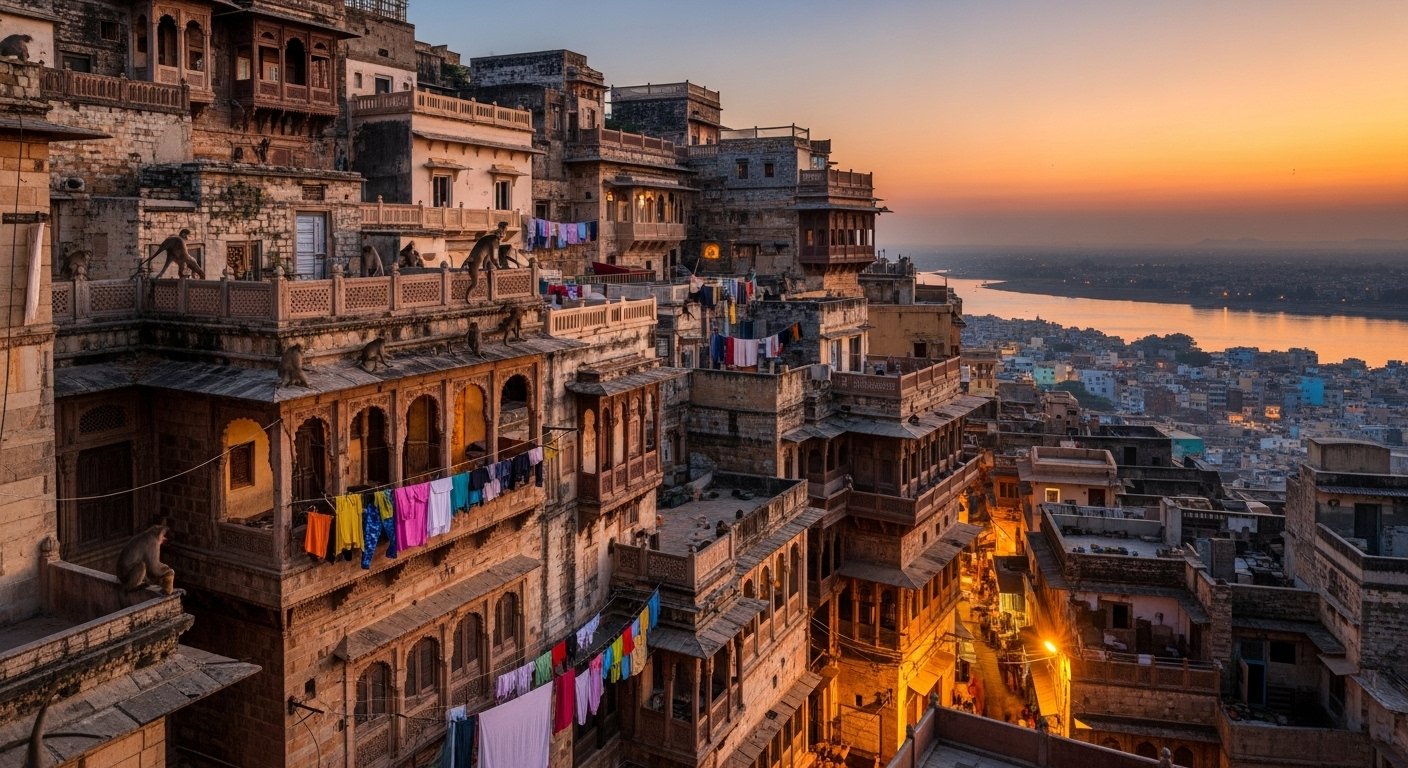
Varanasi is all about its riverbanks.
-
Manikarnika Ghat: The main cremation ghat; powerful, raw, spiritual.
-
Assi Ghat: More relaxed, good for cafés, sunrise, yoga.
-
Kashi Vishwanath Temple: The iconic Shiva temple, a pilgrimage center.
-
Nepali Mandir (Lalita Ghat), Kaal Bhairav Mandir, Durga Kund/Durga Mandir — each has a story, architectural beauty.
4. Visit Ramnagar Fort & Museum
Located on the eastern bank of the Ganga, Ramnagar Fort is about 14 km from central Varanasi. Built in 1750 by Maharaja Balwant Singh, its sandstone walls hold a museum with vintage cars, royal costumes and arms. Offers nice river views and a calm escape from the hustle. Wikipedia
5. Day Trip to Sarnath
Just ~10-12 km from Varanasi, this is where Gautama Buddha gave his first sermon after enlightenment. You’ll find stupas, Buddhist temples, and a tranquil atmosphere compared to the bustle of Kashi.
6. Eat, Shop & Dive into Local Culture
-
Street food at the ghats: try malaiyo (seasonal sweet), paan, kachori, chana, gol gappe.
-
Cafés & hideaways especially around Assi and beyond for more relaxed meals.
-
Local markets: for Banarasi silks, scarves, brassware, small temple offerings.
7. Hidden Gems & Unique Experiences
-
Subah-e-Banaras: morning rituals, yoga, poetry and sunrise rides along lesser-visited ghats.
-
Sunset from Lalita Ghat / Ganga Mahal Ghat — quieter, golden light, gentle breeze, fewer boats.
-
Temple early morning darshan: Visiting temples like Kashi Vishwanath very early (pre-dawn) avoids crowds.
How to Plan Your Varanasi Trip: Sample Itinerary
Here’s a suggested itinerary for 2-3 days to experience the heart of Varanasi without rushing.
| Day | Morning | Afternoon | Evening |
|---|---|---|---|
| Day 1 | Arrive, settle near the Ghats (Assi or Godowlia area) | Explore laneways, local markets, try street food, rest | Attend Ganga Aarti at Dashashwamedh Ghat |
| Day 2 | Sunrise boat ride & Subah-e-Banaras; Temples early | Visit Kashi Vishwanath, Nepali Mandir, Durga Mandir; Lunch and rest | Sunset from a quieter ghat; evening walk on riverbank |
| Day 3 | Day trip to Sarnath, museum & stupas | Explore Ramnagar Fort; relax at Ganga banks | Dinner by ghats, maybe night boat ride or candlelight walk along Ganges |
Travel Tips: For First-Time Visitors
-
Stay near the ghats (Assi, Dashashwamedh, Godowlia area) for easy access to main attractions.
-
Dress modestly, especially in temples and heritage zones.
-
Carry cash (though many places accept digital payments). Also, small change helps for boats, donations.
-
Timing matters: 舟 Boat rides are best at sunrise for peacefulness; evening rituals are crowded but magical.
-
Book in advance for popular experiences (private boats, guided Subah-e-Banaras, ticketed temple entries).
-
Stay safe: As in any busy city, watch your belongings; avoid poorly lit alleys at night; drink bottled water.
FAQs: What Tourists Always Ask
Q: What time does sunrise boat ride in Varanasi start?
A: Usually between 5:00-6:30 AM, depending on season. Seasonal shift matters.
Q: Is Varanasi safe for solo travelers or women traveling alone?
A: Varanasi is generally safe, especially in well-traveled and populated areas like the ghats, main temples, and popular cafés. As always, avoid going deep into isolated alleys at night, dress respectfully, and stay in well-reviewed accommodations.
Q: How many days should one spend in Varanasi to experience it properly?
A: A minimum of 2 days is good (day 1 for sunrise + temples + ghats, day 2 for Sarnath + culture + relaxed pace). For deeper immersion, 3-4 days gives more breathing space.
Q: When is the best time to visit for festivals or fewer crowds?
A: For fewer crowds and pleasant weather – October to February. For festivals, check Diwali and Dev Deepawali dates, also time around Makar Sankranti.
Conclusion
Varanasi is not just a destination; it’s a living story. Every ghat, every chanting bell, every boat ride is part of an ongoing ritual of life, death, hope, devotion. It rewards slow travel—those who wake with the dawn for the sunrise boat rides, who linger after the Aarti lamps dim, who wander the alleys in search of paan and poetry.
With this guide, you’ll be ready to plan the trip of a lifetime: when to go, what to do, where to stay, and how to experience Varanasi beyond the surface.